How to Use Crypto for Everyday Purchases

Last month, I paid for groceries using Bitcoin through a crypto debit card—the cashier didn’t even realize I wasn’t using traditional money. This seamless experience reflects how cryptocurrency payments have quietly integrated into everyday commerce, making digital assets as practical as cash or credit cards.
 The Rise of Cryptocurrency in Daily Transactions
The cryptocurrency landscape has evolved far beyond speculation and investment. [Modern crypto exchanges](https://www.investopedia.com/terms/c/cryptocurrency-exchange.asp) now offer comprehensive payment solutions that bridge digital assets with real-world spending needs. Today’s crypto users can seamlessly transition from trading to purchasing groceries, booking travel, or paying bills.
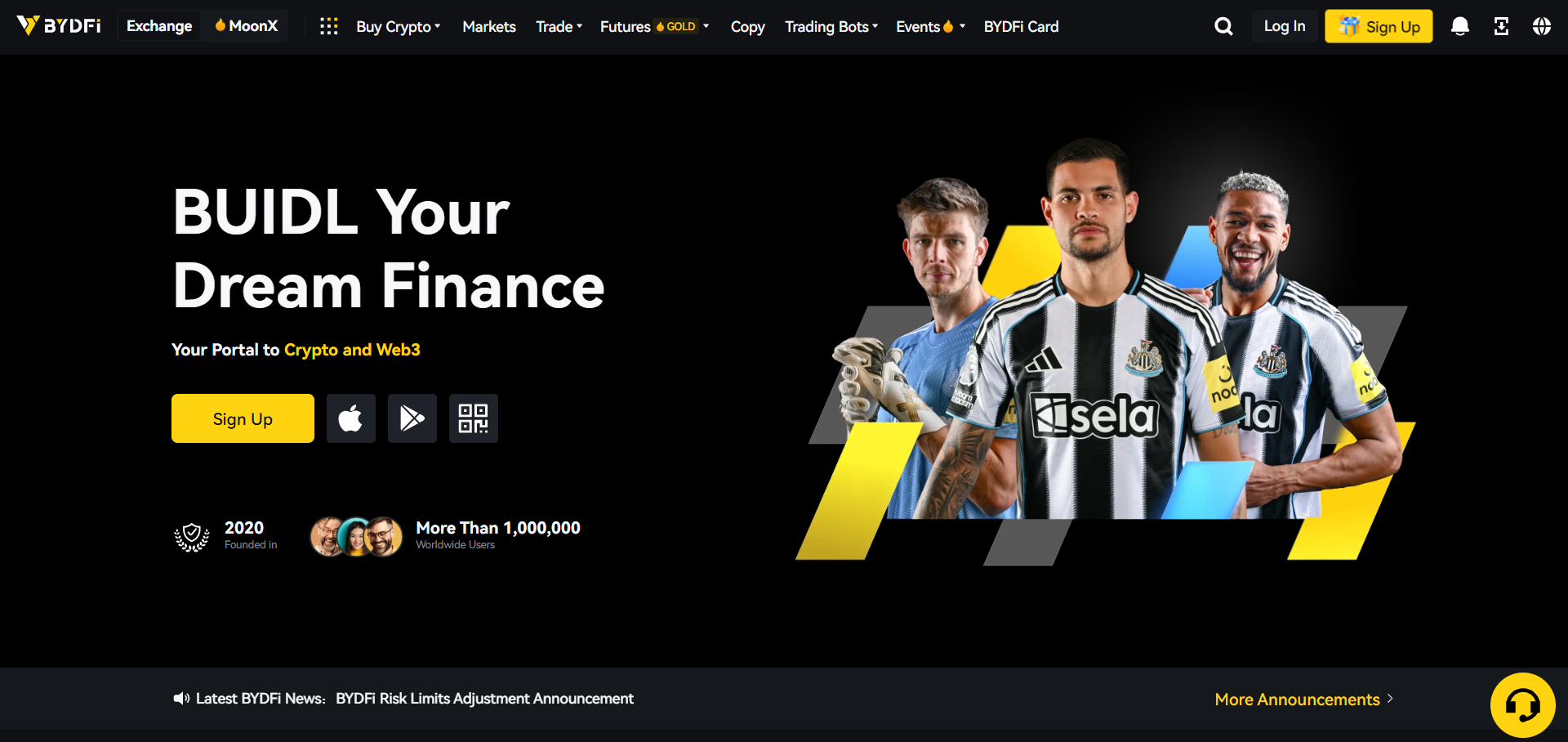
BYDFi exemplifies this evolution. Founded in 2020, BYDFi has expanded its global reach to serve users across multiple countries, offering tools specifically designed for everyday crypto usage rather than just trading. The platform features advanced trading capabilities including leverage trading with competitive fee structures, making it cost-effective for users who want to maximize their trading strategies before converting to spending power.
Getting Started with Crypto Payment Platforms




Complex onboarding processes have long been a barrier to crypto adoption. BYDFi now addresses this with streamlined registration that lets users start quickly without lengthy verification processes—a huge win for anyone wanting to test crypto payments before committing fully.
Different account tiers serve newcomers and experienced users alike, though options vary based on local regulations and compliance requirements.
Acquiring Crypto for Everyday Use
You’ll need multiple ways to acquire cryptocurrency for daily spending:
| Method | Best For | Processing Time |
| One-Click Buy | Immediate purchases | Instant |
| Bank Transfer | Large amounts | 1-3 business days |
| Credit/Debit Cards | Quick top-ups | Instant |
| Spot Trading | Portfolio diversification | Immediate |
For users looking to diversify beyond simple purchases, BYDFi spot trading provides access to numerous trading pairs, allowing you to build a strategic mix of cryptocurrencies for different spending scenarios.
Demo trading with virtual funds helps newcomers practice before risking real money. Smart approach.
Crypto Cards: Your Gateway to Real-World Spending
VISA-branded crypto cards transform digital holdings into practical spending power. The card setup process took under five minutes during testing, with immediate access to digital wallet features.
Supported Assets and Features
| Cryptocurrency | Use Case | Availability |
| USDT | Stable value payments | Global |
| USDC | US-focused transactions | Global |
| BTC | Store of value spending | Global |
| ETH | DeFi integration | Global |
| XRP | Cross-border payments | Global |
| BNB | Ecosystem rewards | Global |
Digital Wallet Integration
These cards integrate seamlessly with Google Pay, Apple Pay, and PayPal. This means crypto payments work anywhere these platforms are accepted—from local restaurants to international e-commerce sites.
Managing Your Crypto Payment Strategy
Successful crypto spending requires portfolio management. Copy trading features let users mirror experienced traders’ strategies, potentially growing their payment reserves through strategic moves.
Security features including protection funds and reserve verification help provide user assurance—critical factors when storing funds for everyday use. Institutional partnerships signal growing credibility in the crypto payment space.
According to CoinGecko’s exchange rankings, BYDFi maintain consistent trading volumes, indicating healthy liquidity for users converting between different cryptocurrencies for spending purposes.
Practical Tips for Crypto Spending Success
Daily crypto usage requires strategic thinking:
Asset Selection: Many users prefer stablecoins for regular purchases due to price stability, while others incorporate various cryptocurrencies into their payment strategy. Your risk tolerance matters here—consider consulting financial professionals for personalized guidance.
Transaction Timing: [Bitcoin’s volatility patterns](https://coinmarketcap.com/currencies/bitcoin/) can significantly impact purchasing power. Timing becomes crucial for major purchases.
Record Keeping: Track all crypto transactions for tax purposes. Most jurisdictions treat crypto spending as taxable events. Not ideal, but it’s the current reality.
24/7 customer support proves valuable when navigating payment issues across different time zones—something traditional banks rarely offer.
The Future of Crypto Payments
According to [DeFiLlama’s market data](https://defillama.com/), the total value locked in decentralized finance protocols continues growing, indicating expanding infrastructure for cryptocurrency payments and financial services.
Cryptocurrency payments offer genuine advantages beyond technological novelty: reduced fees for international transactions, faster settlement times, and financial inclusion for unbanked populations.
The comprehensive approach of combining trading, storage, and spending solutions in one platform shows how crypto infrastructure is maturing. Growing user adoption suggests increasing mainstream acceptance of cryptocurrency for everyday financial needs.
Crypto payments won’t replace traditional payment methods entirely. They’re establishing themselves as a valuable complement, particularly for international transactions, privacy-conscious spending, and situations where traditional banking falls short.