How to Become a Firefighter
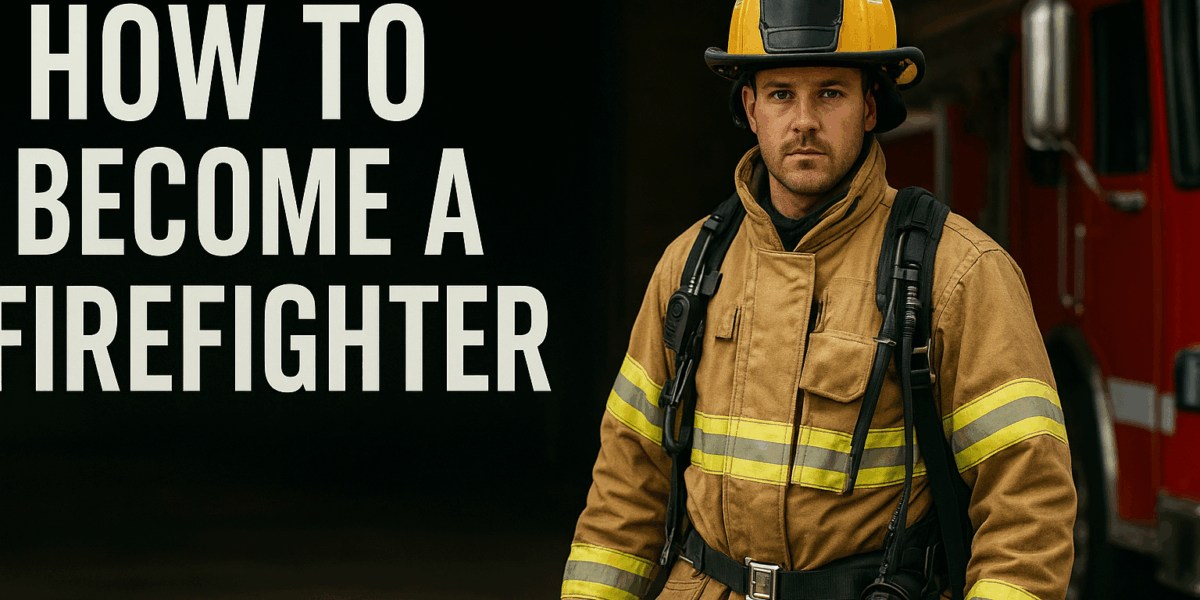
Have you ever pondered what it’s like to be the one sprinting into a burning building while everyone else is fleeing? Do you desire a career where you don’t merely punch the clock but actually make a difference every day? If you’re looking for a career that’s both rewarding and demanding, becoming a firefighter could be the perfect fit. It’s not every day that you get to be an everyday hero, but that’s precisely what firefighters do: save lives, defend property, and give back to their communities. This article explains how to become a firefighter.
How to Become a Firefighter
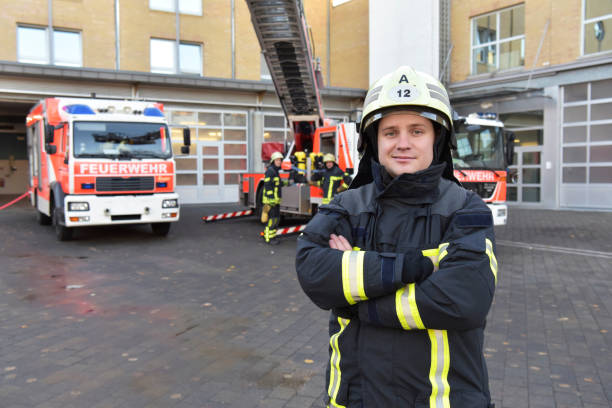
1. Meet the basic qualifications for becoming a firefighter.
To become a firefighter, you must hold a valid driver’s license and be at least 18 years old. Those under the age of 18 can consider limited involvement as junior firefighters. Depending on the department to which you apply, there will most likely be a maximum age range of 28 to 35 years old.
SEE MORE ARTICLES
Astrid How to Train Your Dragon
How to Get Rid of Earwigs: 12 Expert-Recommended Tips




How to Make Sea Salt Spray for Hair
How to Make Scents Last Longer
2. Meet (or exceed) educational standards.
You’ll need at least a high school diploma or GED. Many firefighters pursue degrees in fire science to better their careers. It is also advisable to become an EMT. Having both a fire and EMS background increases your chances of getting hired. Some departments may even demand EMT certification, while larger agencies may require a paramedic license.
3. Get into good physical condition.
To become a firefighter, you must pass a physical ability test. The CPAT activities include stair climbing, hose drag, equipment carrying, ladder raising and extension, forced entry, search and rescue, ceiling breach, and pull. Prepare for both the physical nature of the job and the demands of the test.
4. Keep your social media nose clean.
If you use Facebook or other social media platforms, think about what you share, repost, comment on, and like. Expect all potential employers to search your social media profiles. If your pages contain humiliating, immature, risqué, or otherwise improper posts, remove them. Request that your friends remove any similar posts regarding you from their pages. In some circumstances, closing your accounts may make sense.
5. Prove your fiscal responsibility.
This is commonly neglected, but the needed background check includes a credit score. Bad credit will harm you. Be disciplined in improving your score if necessary. You may get your credit report for free once a year from AnnualCreditReport.com.
6. Get involved with your community.
Working in public safety entails providing community service. Volunteering your time for a worthwhile cause is one way to demonstrate your willingness to help your community. It doesn’t matter if it’s fire-related or not. There are many excellent possibilities for you to make a difference. The American Red Cross and Habitat for Humanity are also wonderful choices.
7. Pass the written examination.
Study, study, and then study some more. The written test consists of multiple-choice questions that are organized into categories. Check out these test-taking basics to increase your chances of passing with flying colors.
8. Prepare for a psychological evaluation.
You can’t prepare for this one. This exam will assess your mental and emotional stability in dealing with the challenges of firefighting. Learn more about the importance of the pre-employment psychological assessment for firefighters here.
9. Graduate from a fire academy.
Obtaining your state’s entry-level firefighter certifications, such as Firefighter I and II, is an excellent approach. Once hired, you will still be required to attend a department’s academy, but this offers you an advantage and allows you to master both the book and practical skills of the job. Joining a volunteer fire department is one approach to gain entry into an academy.
10. Perform admirably at the interview
Why do you want to become a firefighter? We understand that this is a cliché. But you should prepare for this question. Here are four extra questions you may expect to be asked during a firefighter interview; how you respond will impact a panel’s hiring decision. This is your opportunity to shine and stand out.
Conclusion
Becoming a firefighter is both physically and mentally taxing, but for those who rise to the occasion, it’s a job unlike any other. You will need to meet particular criteria, pass rigorous tests, and maintain top physical condition. However, at the end of the day, you will have the opportunity to make a significant impact by saving lives and safeguarding your community.
Whether you want to battle fires or rescue individuals in their most vulnerable times, becoming a firefighter is possible with hard work, dedication, and determination.