Fans angered as World Cup ticket prices soar, £3,119 cheapest for final
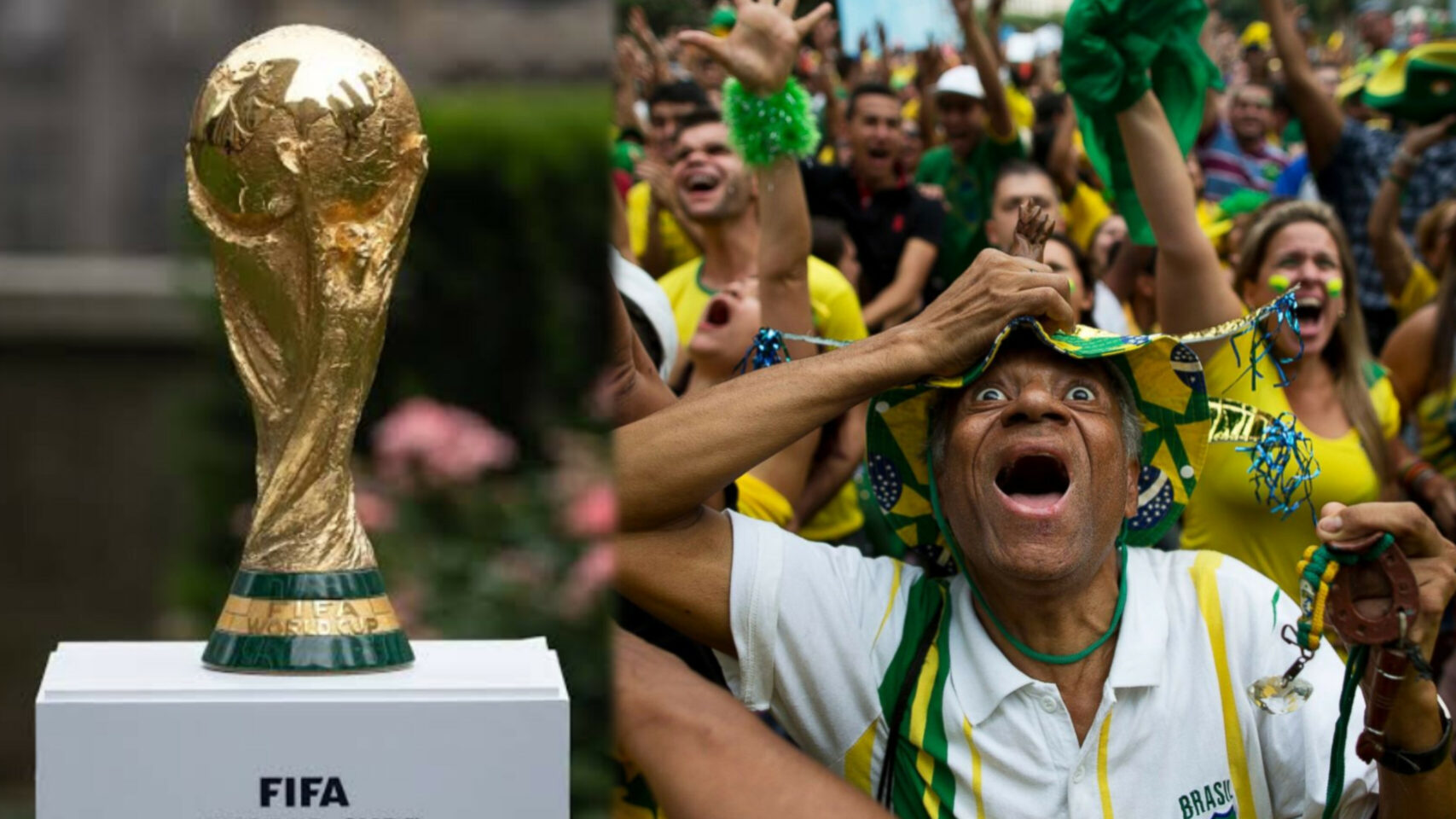
Supporters across the globe are voicing growing frustration over the escalating cost of attending the 2026 World Cup, with many now fearing they have been priced out of the tournament altogether.
The Football Supporters’ Association has labelled the pricing structure a “laughable insult”, warning that ticket costs alone could exceed monthly wages in several qualifying nations, even before travel and accommodation are considered.
For fans from Africa and smaller or less affluent countries, the numbers are proving prohibitive.
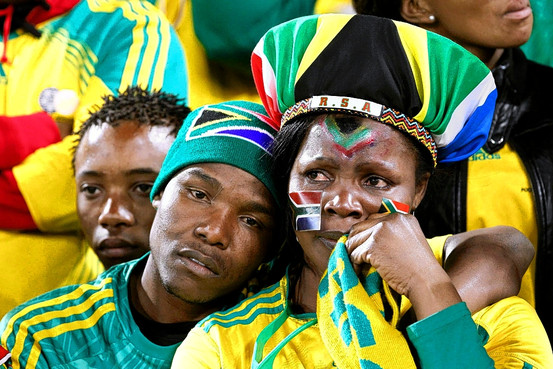
One Ghanaian supporter said the situation had triggered “anger and disappointment”, with many Black Stars fans now reconsidering long-held plans to attend.
Ticket pricing sparks backlash
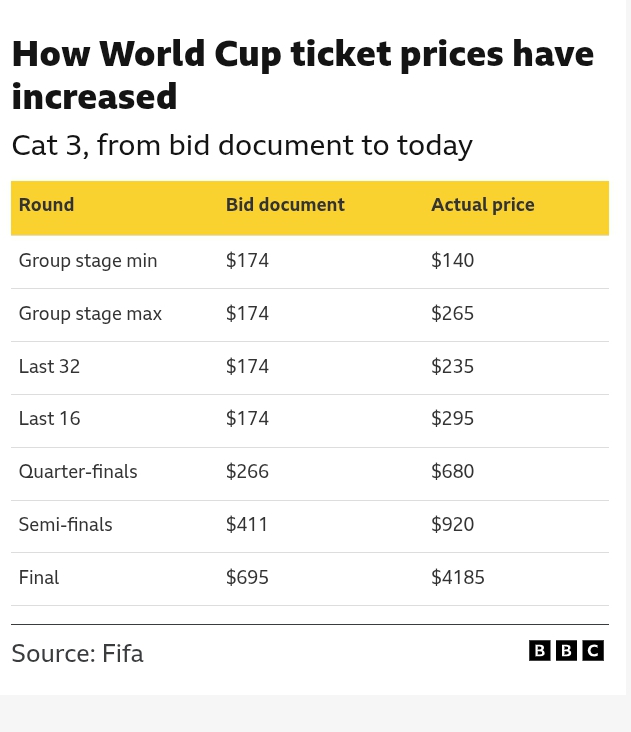
FIFA unveiled its ticket policy on Thursday, confirming group-stage prices up to three times higher than those at Qatar 2022. The cheapest ticket for the final is set at £3,119.




Despite the backlash, FIFA said on Friday it had received five million ticket requests from fans in more than 200 countries within 24 hours of the latest sales phase opening.
Smaller nations hit hardest
The disparity is stark for countries like Haiti, where the average monthly wage is around £110, reports BBC.
The cheapest ticket for Haiti’s group opener costs £135, while attending all three matches would exceed four months’ salary.
Ghana faces a similar challenge, with average monthly earnings of about £190. Supporters say the expanded 48-team format, designed to improve inclusivity, has been undermined by pricing that excludes the very fans it was meant to attract.
Travel costs compound problem
Ticket prices are only part of the burden. Fans following teams through the tournament could face total costs exceeding £7,000 once flights are included, with prices likely to rise further closer to kickoff.
FIFA face criticism
While group-stage tickets broadly align with figures in the original bid documents, prices for the knockout rounds have surged far beyond inflation-adjusted projections.
The result is mounting pressure on FIFA to justify a model critics say contradicts its own rhetoric on global access and inclusion.