BREAKING: 81-year-old Ugandan President Museveni seeks 7th term after 40 years in power
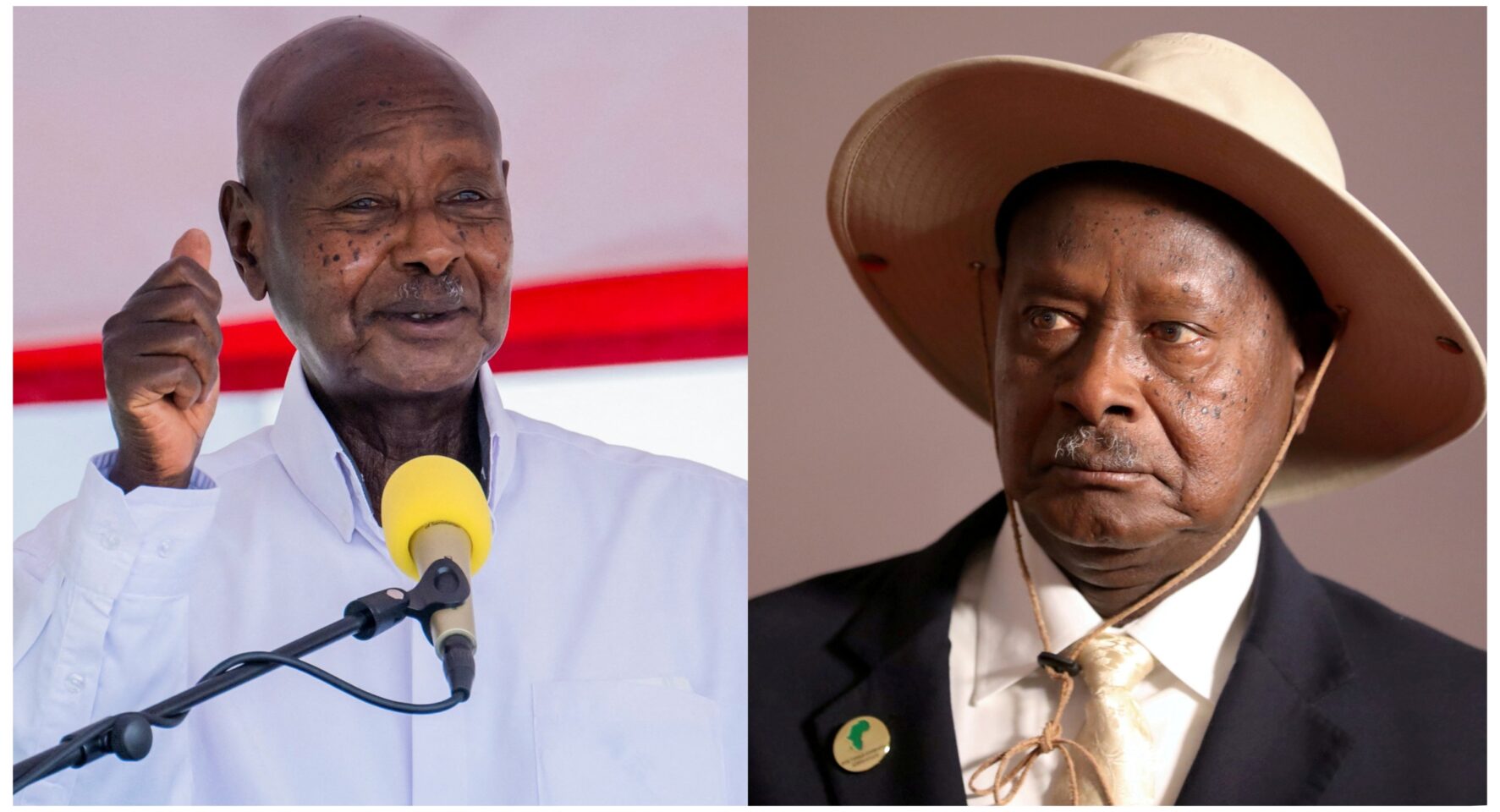
Ugandan President Yoweri Museveni has declared his intention to seek a seventh term in office, a move that could extend his leadership to over four decades.
The 81-year-old leader has ruled Uganda since 1986, placing him among Africa’s longest-serving presidents and reigniting debate over leadership succession.
From reform promise to prolonged rule
Museveni rose to power after leading a rebel movement that toppled a military government, pledging to end dictatorship and poor governance.
At his inauguration, he said Uganda was experiencing a “fundamental change” in politics, a statement that continues to trail his long stay in office.
Critics argue those early hopes have faded, citing corruption, weakened democratic institutions, and the steady concentration of power around the presidency.



“The problem of Africa in general and Uganda in particular is not the people but leaders who want to overstay in power,” Museveni once said, a quote often recalled by opponents.
Elections, opposition, and criticism
Museveni has won all six presidential elections he has contested, though opposition parties regularly dispute the outcomes, alleging widespread irregularities.
The government has rejected such claims, while security agencies have often dispersed protests challenging election results.
Despite criticism, Museveni’s administration has earned praise for its early response to HIV/AIDS and efforts against the Lord’s Resistance Army.
Uganda has also gained recognition for contributing troops to peacekeeping missions and hosting millions of refugees from neighbouring countries.
Corruption concerns and economic struggles
Corruption allegations have remained a constant issue, with parliamentary reports accusing senior officials of benefiting from state privatisation deals.
“Corruption has been central to his rule from the beginning,” Kristof Titeca of the University of Antwerp told Reuters.
Museveni has admitted corruption exists but insisted that officials found guilty have faced prosecution.
Although the economy has grown, many Ugandans say prosperity has not reached ordinary citizens, especially young people.
UNICEF reports that only one in four children who enter primary school reach secondary education, while decent jobs remain limited.
Succession questions grow louder
In 2005, lawmakers removed presidential term limits, a decision critics say paved the way for Museveni’s prolonged rule.
His main challenger in the upcoming election is opposition leader and musician Bobi Wine, who has strong youth support.
Analysts believe Museveni is likely to win, but concerns are increasing over who will eventually succeed him.
Attention has turned to his son, Muhoozi Kainerugaba, the army chief, whose rise has sparked talk of dynastic succession.
“The big question looming over the election is the question of succession,” Titeca said.
Former editor Charles Onyango-Obbo noted that the vote reflects public feeling more than results, saying any transfer of power may still be distant.