Afrika Bambaataa Biography: Early Life, Career, Albums, Singles, Controversy, Family & Net Worth
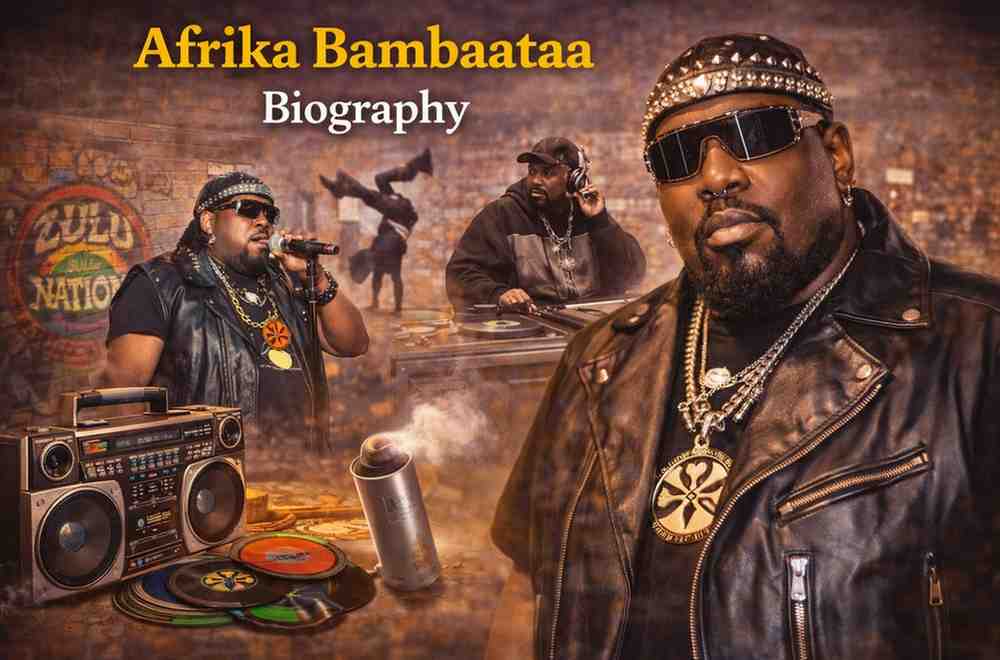
Lance Taylor (April 17, 1957 – April 9, 2026), also known as Afrika Bambaataa, was an American DJ, rapper, and record producer. He was best known for producing a series of genre-defining electro recordings in the 1980s, which affected the evolution of hip-hop culture. Bambaataa was one of the pioneers of breakbeat DJing.
He contributed to the global dissemination of hip-hop culture by incorporating his street gang Black Spades into the music and culture group Universal Zulu Nation.
In May 2016, Bambaataa resigned as head of the Universal Zulu Nation owing to repeated claims of child sexual assault dating back to the 1970s.
On April 9th, 2026, the American DJ, rapper and producer died from cancer at the age of 68.
Afrika Bambaataa Biography
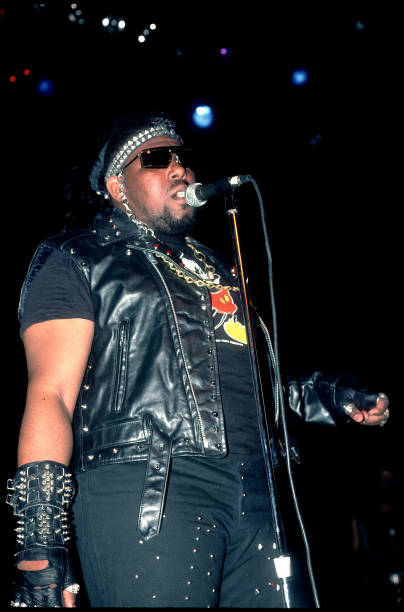
Afrika Bambaataa was born Lance Taylor in the Bronx, New York, to Jamaican and Barbadian immigrant parents. He was reared by his mother and uncle, both of whom were involved in the mid- to late 1960s Black Liberation Movement.

He was first introduced to music via his mother’s extensive and diversified record collection. Taylor grew up in the Bronx River Houses, a complex of high-rise low-income housing developments in the South Bronx.
During Taylor’s childhood, the Bronx River Houses were beset by violence and poverty, as the construction of the Cross Bronx Motorway devastated property values and caused drastic division.
Street gangs such as the Black Spades, Savage Nomads, and Seven Immortals emerged in retaliation. Although they provided safety to people, they also engaged in drug and prostitute trafficking and fought brutal street battles with one another.
Taylor was part of the Black Spades. By the time he was a teenager, he had advanced to a dominant position. He was a natural leader, so when he decided in 1973 to start an alternative youth organization dedicated to improving Black culture, many people followed him.
He named this new organization the Universal Zulu Nation, a reference to the 1964 war picture Zulu, which depicted the 1879 Anglo-Zulu War in Southern Africa.
The Universal Zulu Nation was founded on the main principles of Afrocentrism, self-improvement, and community service. Many members choose traditional African names.
Taylor changed his name to Afrika Bambaataa in honour of Bambatha kaMancinza, a Zulu chief from the nineteenth century.
Career
In the mid-1970s, Bambaataa started organising neighbourhood block parties and break dance competitions with local DJs and handmade sound systems.
Around the same time, Bambaataa and others defined the four primary pillars of the emerging hip-hop movement: rapping, graffiti painting, B-boying, and deejaying. Bambaataa’s block parties, highlighted by his excellent deejaying, were extremely popular.
He was recognised for his turntable skills and broad selection of records. His record collection was so extensive and varied that some dubbed him the “Master of Records.”
Bambaataa, along with DJ Jazzy Jay and DJ Kool Herc, helped define the hip-hop sound by mixing American pure funk breaks, European disco, and electro bands like Kraftwerk and Yellow Magic Orchestra. In 1980, Bambaataa released his first song, Soul Sonic Force’s “Zulu Nation Throwdown.”
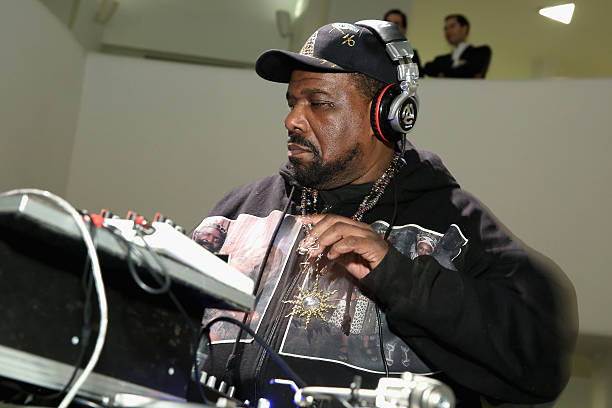
The song became the Universal Zulu Nation’s electro-funk anthem. Bambaataa and Soul Sonic Force produced “Planet Rock,” his biggest hit, in 1982: an electro-funk piece composed using samples from Kraftwerk’s “Trans-Europe Express” and “Numbers” among others, put over an irresistible Roland TR-808 drum machine beat.
“Planet Rock” peaked at number four on the Billboard R&B chart and sparked a slew of similar-sounding electro-funk songs over the next few years.
Following “Planet Rock,” Bambaataa released several influential recordings, including “Looking for the Perfect Beat” (1983), “Unity” (1984), a duet with James Brown, and “World Destruction” (1984) with Johnny Rotten, former lead vocalist of the Sex Pistols (credited as Time Zone Featuring John Lydon and Afrika Bambaataa).
In 1984, Bambaataa and the Soul Sonic Force performed the song “Frantic Situation” in the hip-hop film Beat Street. As Bambaataa gained popularity and notoriety as a producer, so did the musical performers affiliated with the Universal Zulu Nation.
In the 1990s, the Native Tongues, a hip-hop collective strongly associated with the Universal Zulu Nation that included artists such as De La Soul, A Tribe Called Quest, and the Jungle Brothers, made influential and, in some cases, commercially successful hip-hop albums.
The Universal Zulu Nation also formed a concert security force known as the Zulu Warriors, which was hired to protect singers such as JAY-Z, Nas, Busta Rhymes, and Lauryn Hill at live performances. New chapters of the Universal Zulu Nation have sprung up in a variety of nations throughout the world.
In 2013, Cornell University made Bambaataa’s collection of over 30,000 albums, compact discs, and cassette tapes a permanent part of the Cornell Hip Hop Collection.
Discography
Album
- Death Mix
- Sun City
- Planet Rock: The Album
- Beware (The Funk Is Everywhere)
- The Light
- The Decade of Darkness
- Don’t Stop… Planet Rock (The Remix EP)
- Jazzin (Khayan album)
- Lost Generation
- Death Mix “2”
Singles.
- “Zulu Nation Throwdown”
- Jazzy Sensation
- Planet Rock
- Looking for the Perfect Beat
- Renegades of Funk
- Wildstyle
- Unity” (with James Brown)
Controversy
In April 2016, Bronx political activist Ronald Savage accused Bambaataa of sexually abusing him when he was 15 years old in 1980. Following the claims, three additional men accused Bambaataa of sexual abuse.
Bambaataa sent a statement to Rolling Stone rejecting the accusations. In May 2016, Bambaataa was banished from the Universal Zulu Nation. In 2021, an anonymous victim sued Bambaataa, charging him with sex trafficking.
After Bambaataa refused to appear in court, one of his alleged victims received a default judgment in a civil suit in 2025.
Afrika Bambaataa Cause of Death
Bambaataa died of prostate cancer in Pennsylvania on April 9, 2026, at the age of 68.
Personal Life
Afrika Bambaataa has kept his personal life highly private, and there is no verifiable evidence that he is married. Some media sources have speculated about a secret marriage or long-term relationship, implying that he may have married in a private ceremony, but these claims have yet to be proven and are usually regarded as rumours.
Afrika Bambaataa Net Worth
Afrika Bambaataa’s net worth was estimated to be around $500,000 when he died in April 2026. His riches are mostly derived from his musical career, live DJ performances, and record creation.
Social Media
Instagram: @afrika_bambaataa_official