2026 Electoral Act: We’ve satisfied yearnings of majority of Nigerians, not noise makers — Akpabio
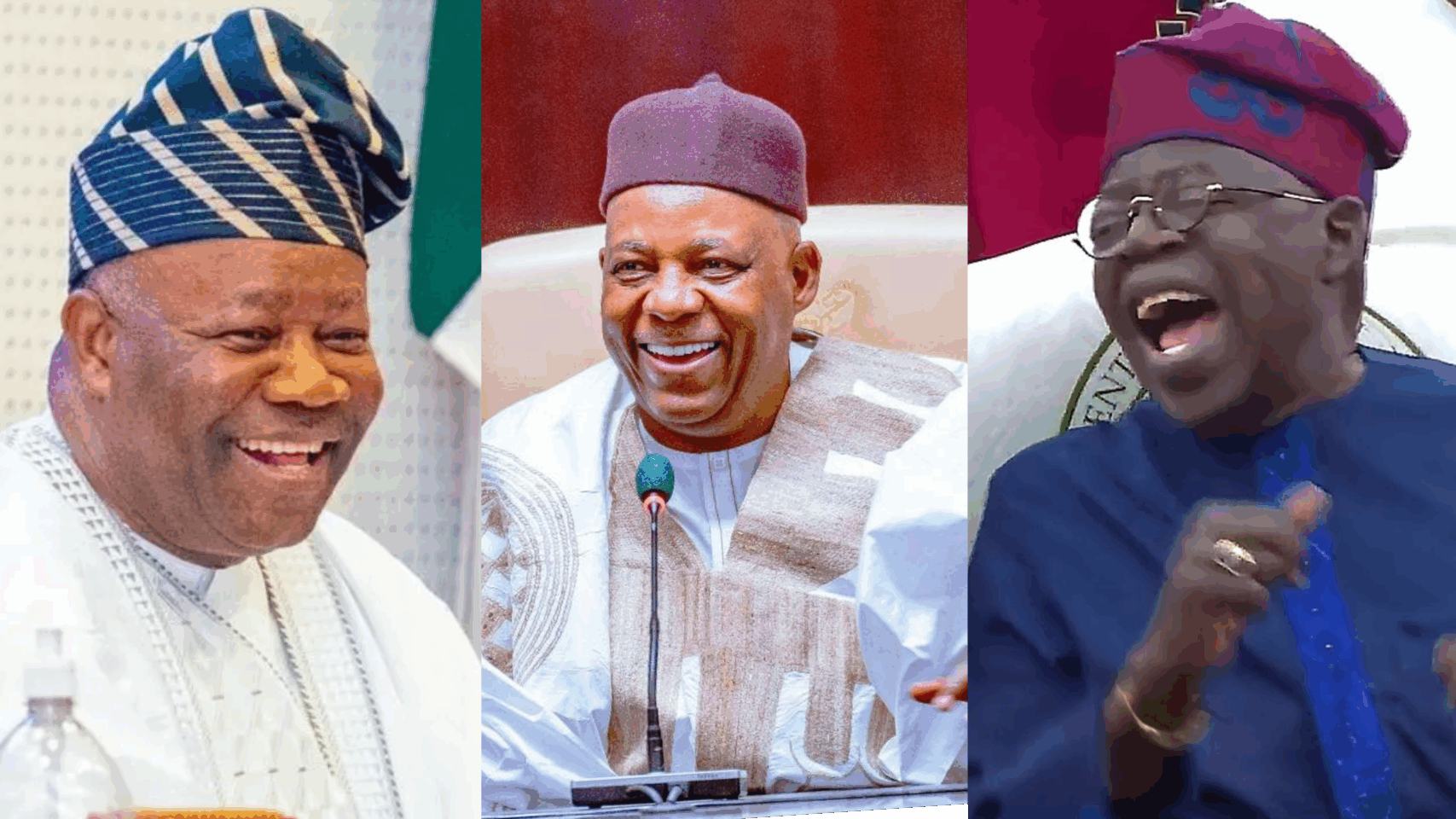
Senate President Godswill Akpabio has hailed the newly signed Electoral Act as a bold step towards strengthening Nigeria’s democracy, describing it as a product of careful work and national interest.
He spoke at the State House shortly after President Bola Tinubu assented to the bill, saying lawmakers acted with patriotism and resisted pressure while drafting the legislation.
Akpabio maintained that the National Assembly paid close attention to Nigeria’s unique political environment and refused to be swayed by what he called undue interference.
According to him, the lawmakers reflected the “intentions and yearnings of the majority of Nigerians,” and not “a few people who make noise.” He added, “Noise is different from lawmaking.”
Electronic Transmission Gets Legal Backing
The Senate President said the amended Act would deepen transparency and fairness in future elections, assuring Nigerians that their votes would now count more than ever.




A major highlight of the law, he explained, is the formal recognition of the Bimodal Voter Accreditation System result viewer, known as IReV, as an official and verifiable record of polling unit results.
He stated that electronically transmitted results from polling units would appear on the IReV portal once internet connectivity is restored, even in areas with poor network coverage.
This provision, he noted, would allow citizens and observers to detect any tampering as results move from polling units to collation centres.
Akpabio described the development as historic, stressing that electronic transmission of results has now been formally recognised in law for the first time since Nigeria gained independence in 1960.
Reforms in Party Primaries and Court Disqualifications
Beyond electronic transmission, the Senate President pointed to other reforms embedded in the legislation.
He said party members would now have the opportunity to vote directly for candidates during primaries, reducing the dominance of a small group of delegates.
The new Act also mandates a fresh election where a leading candidate is disqualified by a court, instead of declaring a runner-up with significantly fewer votes as winner by default.
Heated Debate in the Senate
The bill, officially titled the Electoral Act, 2022 (Repeal and Re-Enactment) Bill, 2026, sparked intense debate in the National Assembly.
On Tuesday, lawmakers passed the measure after a tense and at times rowdy session in the Senate chamber.
Proceedings were briefly disrupted when Senator Enyinnaya Abaribe demanded a division over Clause 60 as deliberations resumed.
The debate centred largely on the method of transmitting election results ahead of the 2027 general elections, a matter that has divided political actors and observers across the country.
Despite the disagreements, the bill eventually secured passage, setting the stage for what supporters describe as a new era in Nigeria’s electoral process.